Continuum of Behavioral Health
Gallatin County Behavioral Health Continuum of Care
This page provides an overview of behavioral health services available to adults and youth in Gallatin County. Behavioral health encompasses the prevention, diagnosis, and treatment of mental health conditions and substance use disorders.
Gallatin County’s behavioral health contiuum of care includes a range of programs and services designed to promote universal individual, family, and community well-being and address diverse mental health and substance use needs spanning from low to high levels of acuity. Lower-acuity behavioral health services are delivered in home and community-based settings, while higher-acuity services are provided in residential, inpatient, and institutional settings.
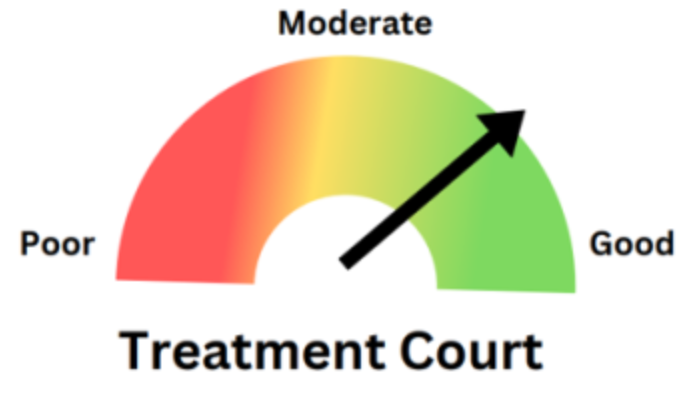
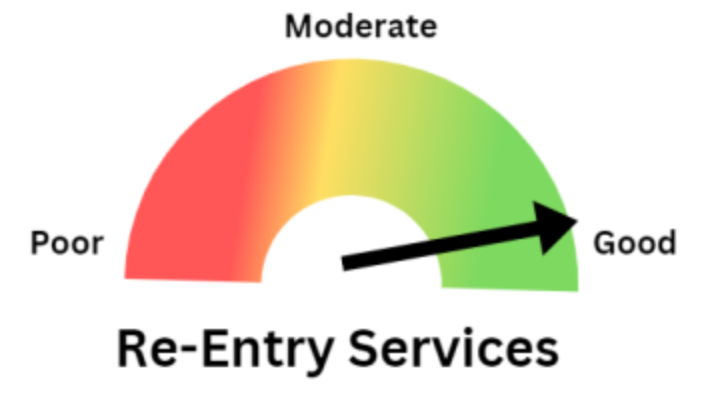
Green/Good:
This service is available in Gallatin County but may not yet be fully optimized.
Yellow/Moderate:
This service either exists available in Gallatin County or is in the planning stage. If it is available, strategic actions are needed to further develop and improve it.
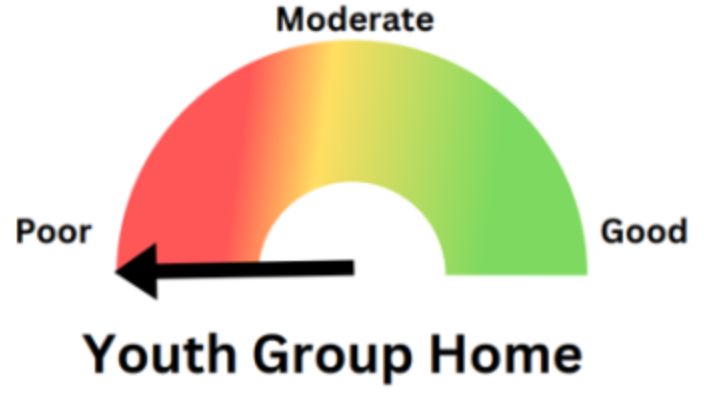
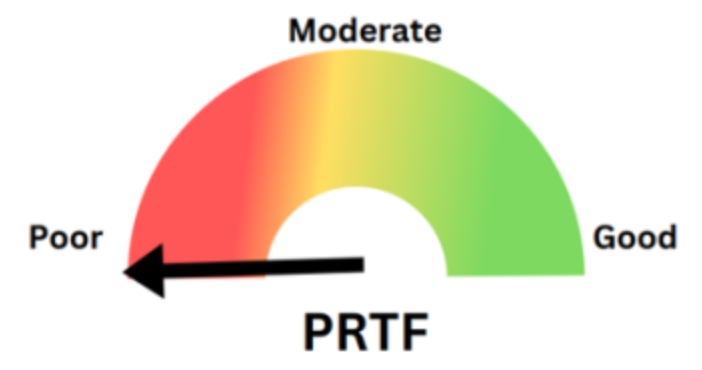
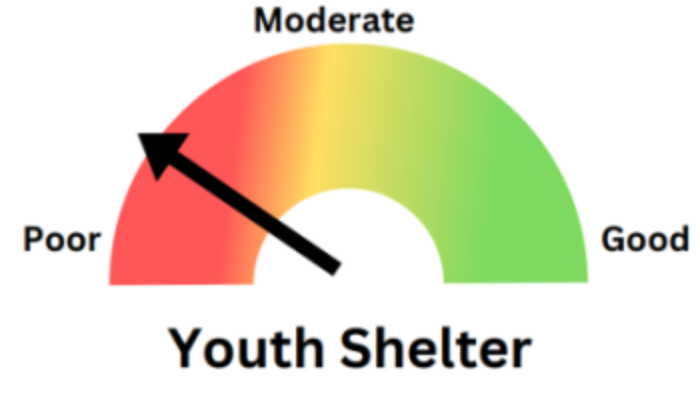
Red/Poor:
This service is either not available in Gallatin County, is not in the planning stages, or is not functioning well.
Promotion & Prevention
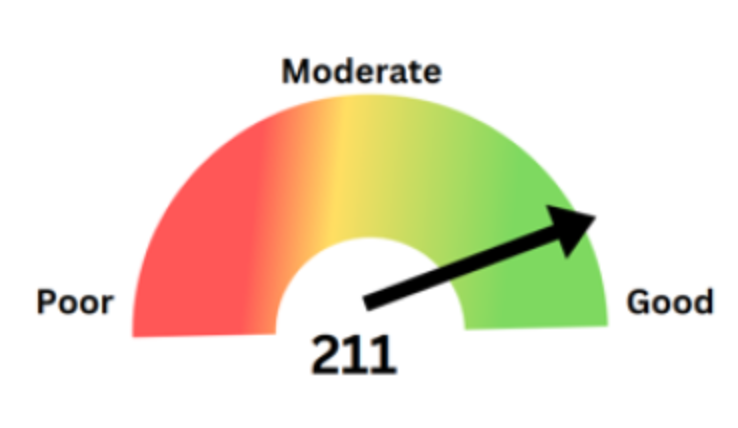
211:
211 is a resource and referral service accessible by phone or online. In Gallatin County, the Help Center answers 211 calls, helping people connect to the resources they need.
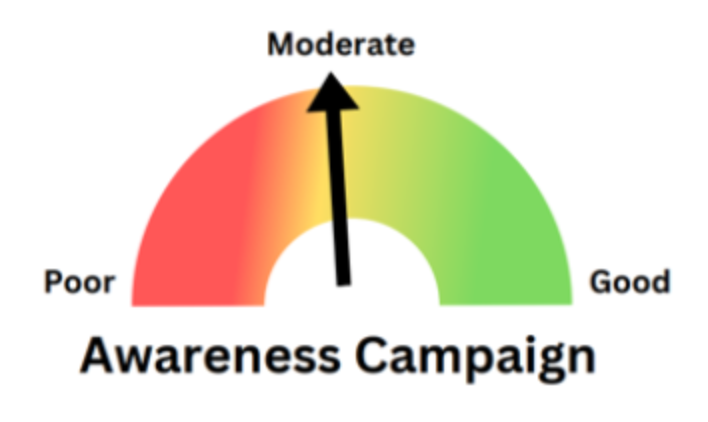
Awareness Campaign:
Awareness campaigns aim to teach people about important issues, such as health (Learn More). Past campaigns, including the “Are You In?” campaign, Man Therapy, and the Salons and Saloons event, focused on mental well-being and suicide prevention.
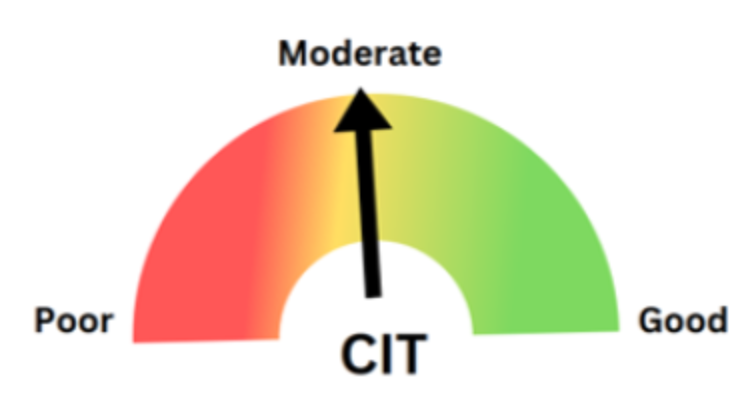
Crisis Intervention Team:
The Gallatin County Sheriff’s Office Crisis Intervention Team (CIT) works with other behavioral health organizations to support behavioral health crisis response. CIT trains first responders and others about how to effectively respond to and support people in behavioral health crisis.
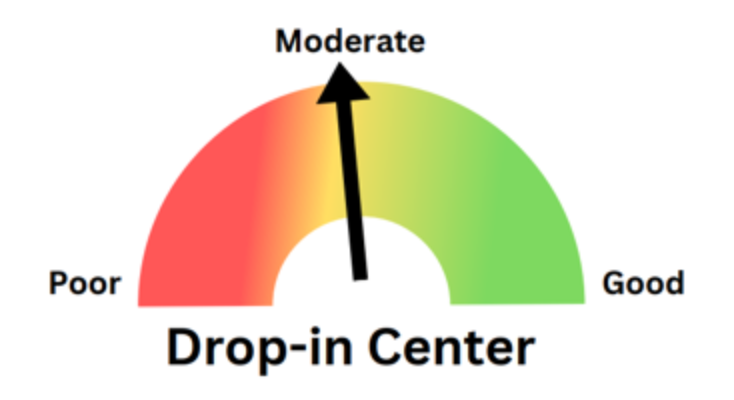
Drop-in Center:
The HRDC operates a Drop-in Center, offering people experiencing homelessness a safe place to rest. Guests can use Wi-Fi, take showers, do laundry, and receive food. The Drop-in Center also provides case management services. There is potential to expand drop-in services to include people with mental illness who are not unsheltered.
Youth Promotion & Prevention
School Wellness Services:
School districts across Gallatin County offer a variety of promotion and prevention services to improve student wellness and resilience. Many regional schools implement multi-tiered systems of support to maximize academic achievement and health. (Learn More)

Outpatient
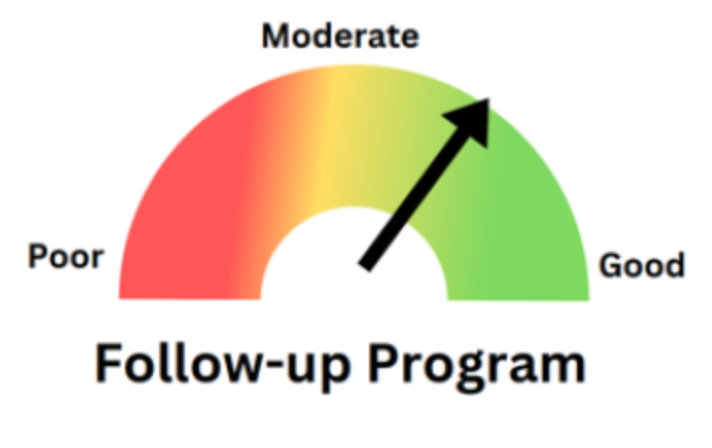
Follow-up Program:
The Help Center operates a Follow-up Program that supports people after a behavioral health crisis. Using a trauma-informed approach, the program helps keep people safely in their homes and communities while connecting these individual to needed safety and health resources.
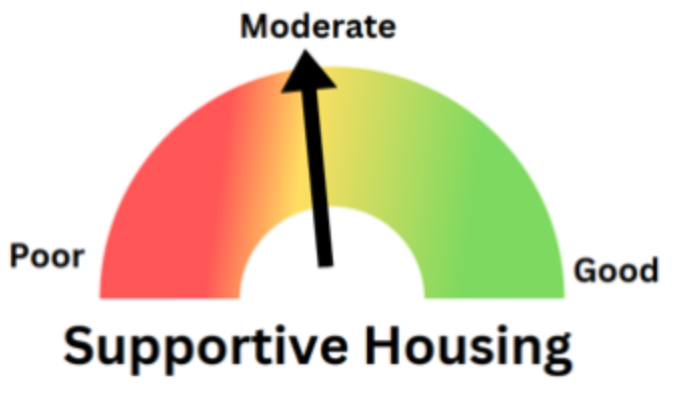
Supportive Housing:
Supportive housing combines affordable housing with support services to help vulnerable community members, including those with mental illness, histories of trauma, chronic health conditions, and other challenges, find a path to recovery. (Learn More) Organizations including HRDC and Greater Impact provide supportive housing, but increased capacity is needed to meet the growing demand.
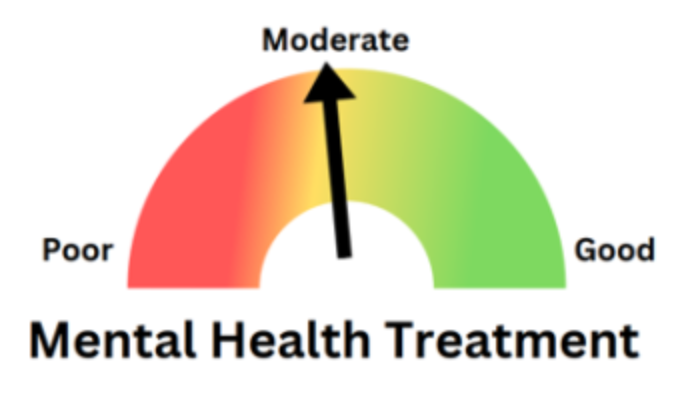
Mental Health Treatment:
Gallatin County has a strong community of private behavioral health providers who offer outpatient care. However, the demand for care exceeds the supply in safety-net organizations that serve socially and medically complex individuals who are more likely to be publicly insured (Medicaid or Medicare), under-insured (high deductible insurance plans), or uninsured.
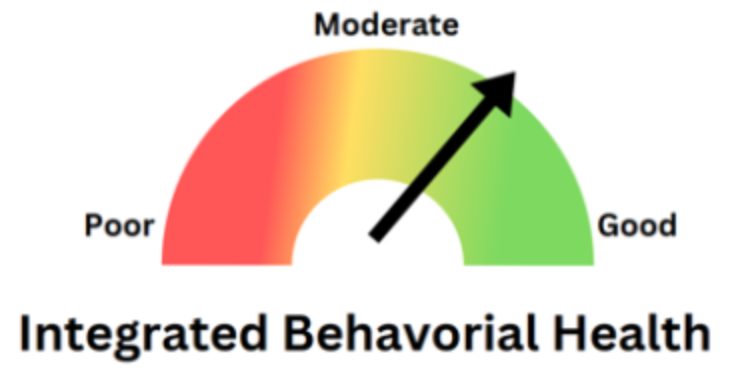
Integrated Behavioral Treatment (IBH):
Integrated Behavioral Health (IBH) involves behavioral health and medical professionals collaborating to provide comprehensive patient care. Many regional healthcare providers screen for depression and anxiety during primary care visits and connect patients to behavioral health services when needed.
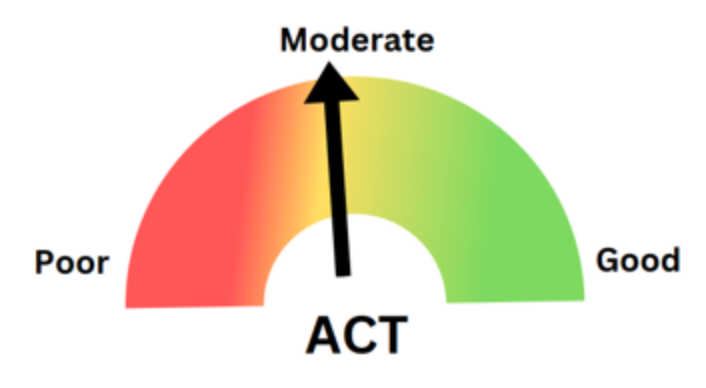
Assertive Community Treatment (ACT):
Assertive Community Treatment (ACT) involves a multi-disciplinary team of providers who work together to help people with serious mental illness access the services and supports they need to live successfully in their communities. 1 Gallatin County will launch an ACT team in early 2025, with a focus on serving individuals in the Housing First village.
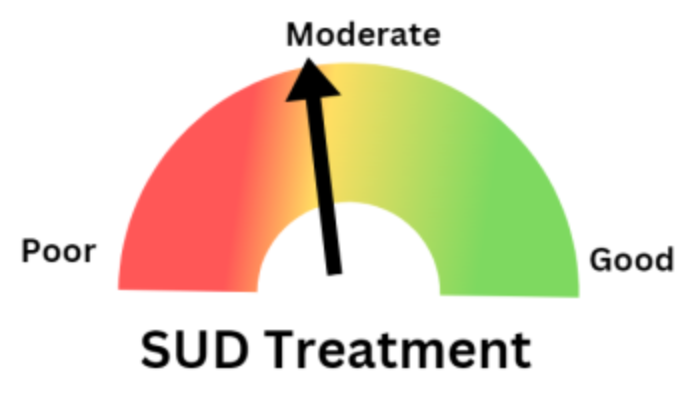
Substance Use Disorder (SUD) Treatment:
Gallatin County has limited substance use disorder (SUD) treatment services, especially for individuals who rely on safety-net organizations for care.
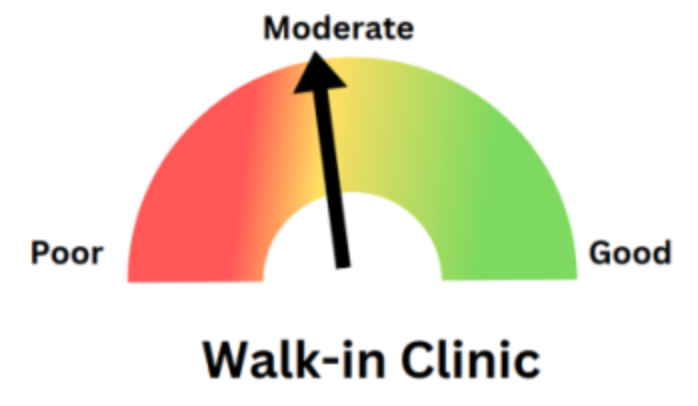
Walk-in Clinic:
Bozeman Health is piloting a walk-in clinic that offers psychiatric care, care coordination, and resource navigation. The clinic operates Monday through Saturday, from 9:00 AM to 4:00 PM.
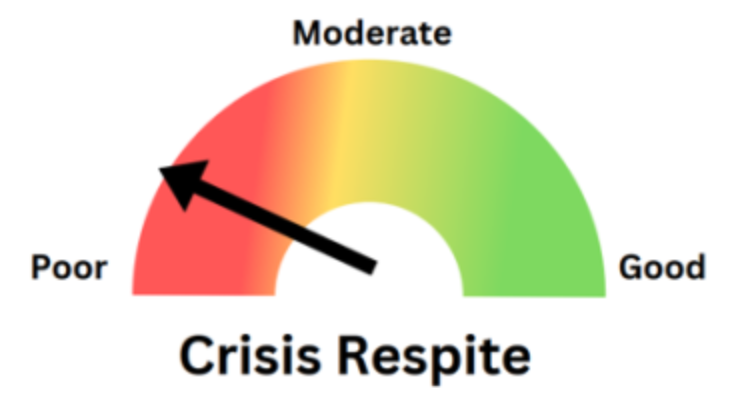
Crisis Respite:
Gallatin County does not have a crisis respite service.
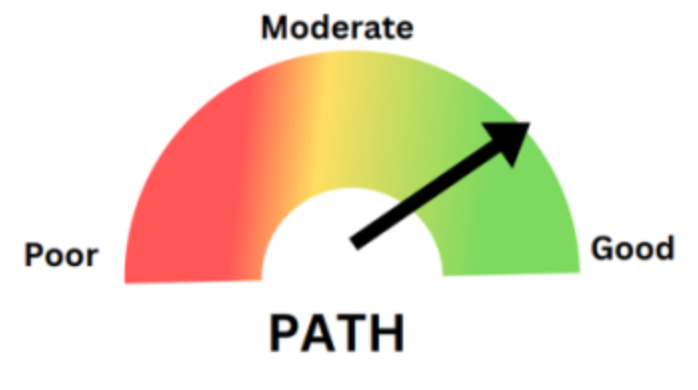
Projects for Assistance in Transition from Homelessness (PATH):
The Projects for Assistance in Transition from Homelessness (PATH) program helps people transition out of homelessness by connecting them with mental health and SUD services and assisting them in securing housing. Community Health Partners and HRDC are implementing Gallatin County’s PATH program.
Youth Outpatient
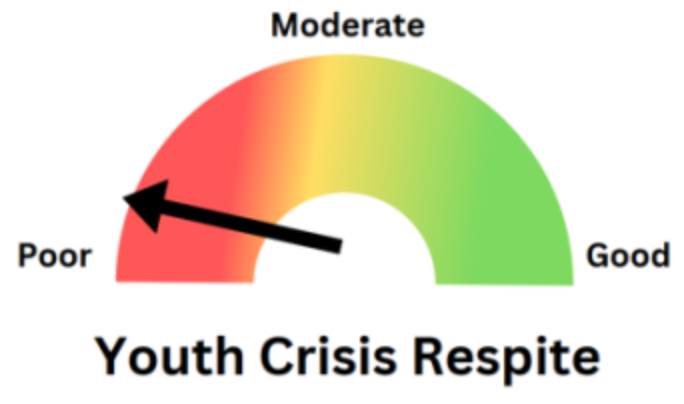
Youth Crisis Respite:
Gallatin County does not have youth crisis respite services.
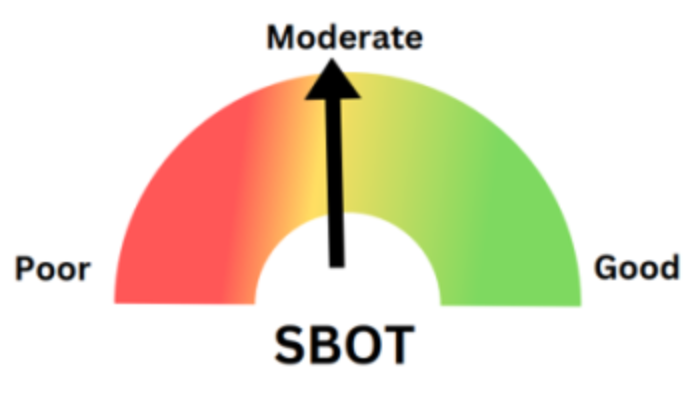
School-Based Outpatient Treatment (SBOT):
School-Based Outpatient Treatment (SBOT) is an outpatient therapy service provided in a school setting that might include individual, family, and group therapy. While larger schools in Gallatin County provide SBOT, smaller, rural schools currently lack this service.
Day Treatment Services:
Day treatment services offer intensive, personalized therapeutic intervention within an academic setting for students with serious emotional challenges. (Learn More – Day Treatment 1) (Learn More – Day Treatment 2) (Learn More – Day Treatment 3). The Bozeman School District provides day treatment services in collaboration with Yellowstone Boys and Girls Ranch and Intermountain. However, other school districts in Gallatin County do not currently offer day treatment services.

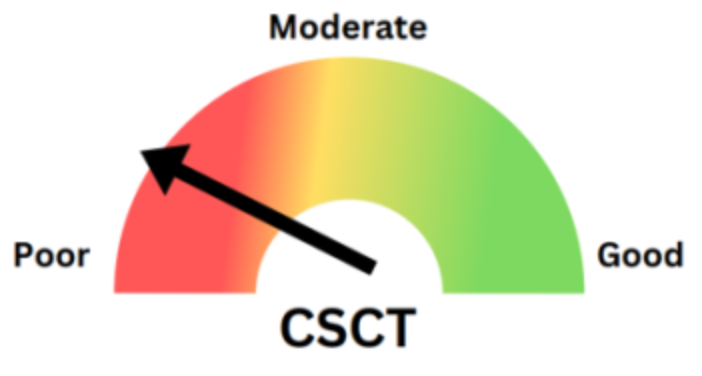
Comprehensive School and Community Treatment (CSCT):
Comprehensive School and Community Treatment (CSCT) is a top-tier mental health intervention provided in public schools to help students develop the skills and behaviors necessary for success in school and in life. (Learn More). However, funding challenges have limited the program’s capacity in most schools.
Crisis
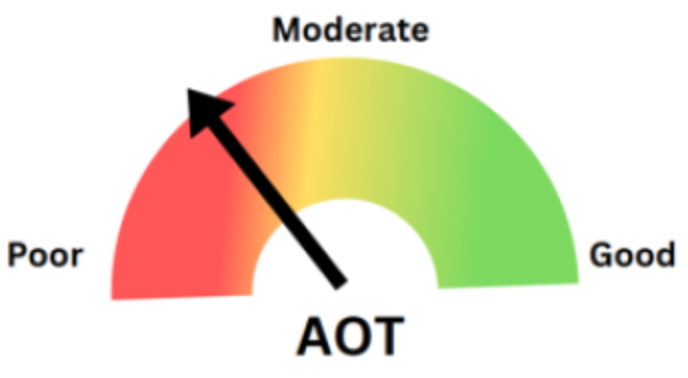
Assisted Outpatient Treatment (AOT):
Assisted Outpatient Treatment (AOT) programs, known as Community Commitment in Montana, typically include intensive case management, housing assistance, therapy, SUD services, and medication management. Gallatin County was awarded a SAMHSA grant in September 2024 to develop an AOT program.
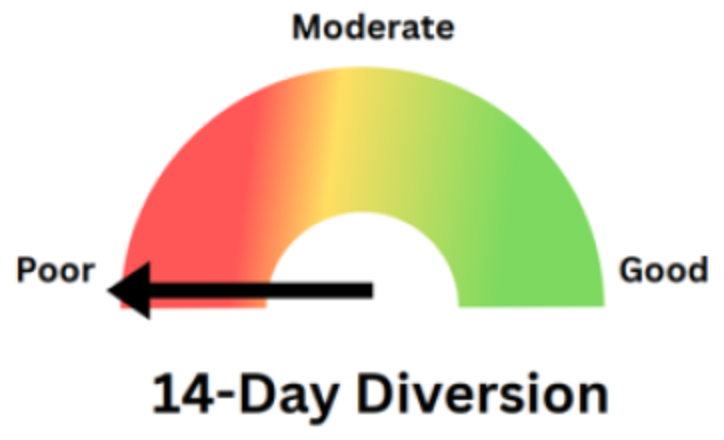
14-Day Diversion:
Judges may order individuals in crisis to a 14-day diversion program in a community-based inpatient mental health program, as an alternative to the Montana State Hospital. Programs provide assessment, inpatient behavioral health treatment, case management, and referral to outpatient services once the individual is stabilized and ready to return to the community. Gallatin County does not currently have a 14-day diversion program, but this will become an option once Bozeman Health opens its psychiatric inpatient unit in 2025.
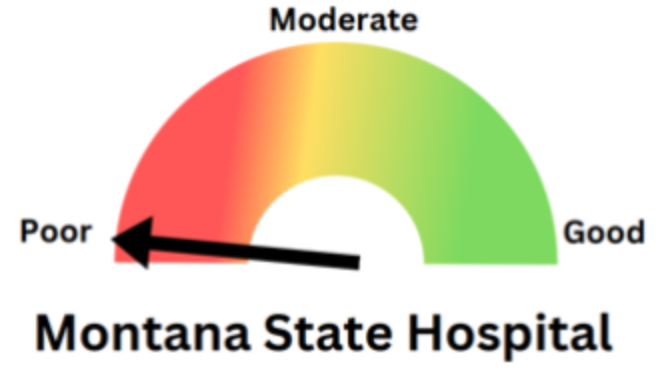
Montana State Hospital:
The Montana State Hospital (MSH) is intended to provide the highest level of behavioral health services to individuals unable to be served safely in local communities. However, MSH lost its certification from the Centers for Medicare and Medicaid Services (CMS) in April 2022 and continues to operate poorly.
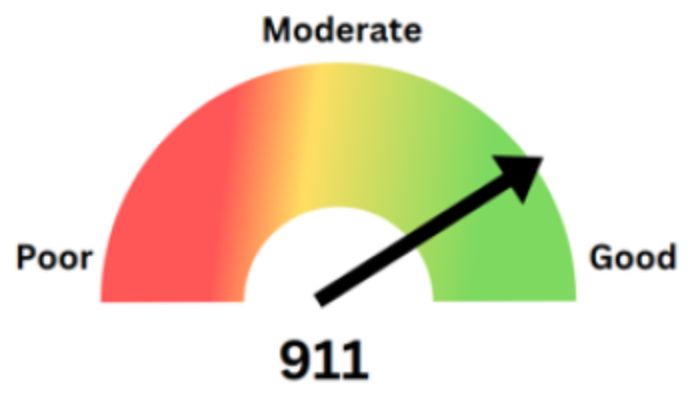
911:
911 provides emergency response support for behavioral health emergencies. It can dispatch mobile crisis response services, law enforcement, fire, and emergency medical services. In the future, 911 will also connect some people experiencing behavioral health crises to 988 for phone-based crisis response.
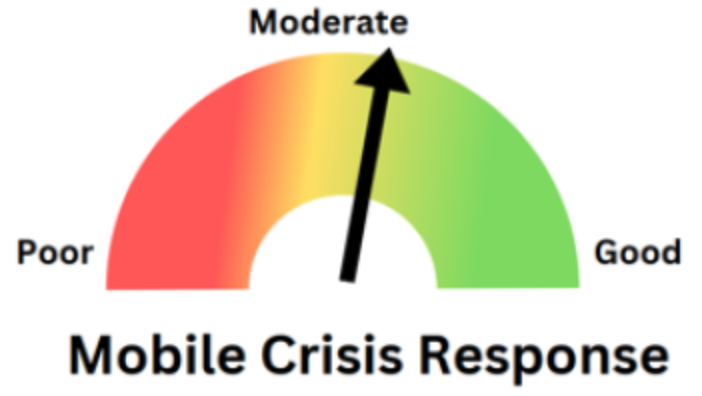
Mobile Crisis Response:
The Gallatin Mobile Crisis (GMC) team provides mobile crisis response services seven days a week, 12 hours a day. The program is hoping to grow to be able to run 24/7/365. The GMC team is dispatched through 988 or 911.
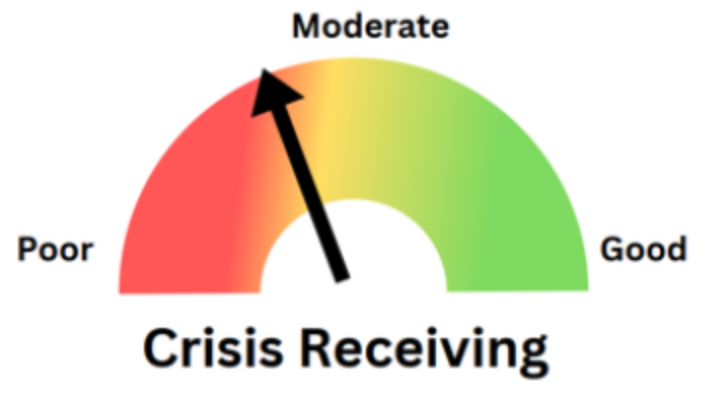
Crisis Receiving:
Bozeman Health operates a Psychiatric Emergency Services (PES) unit, which provides crisis receiving services.
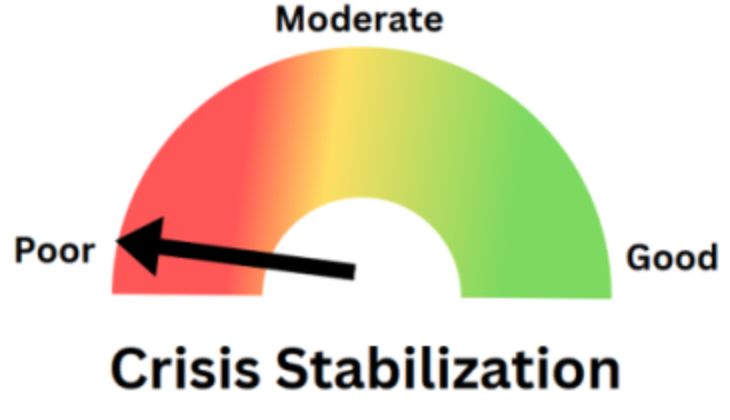
Crisis Stabilization:
There is no adult crisis stabilization program in Gallatin County.
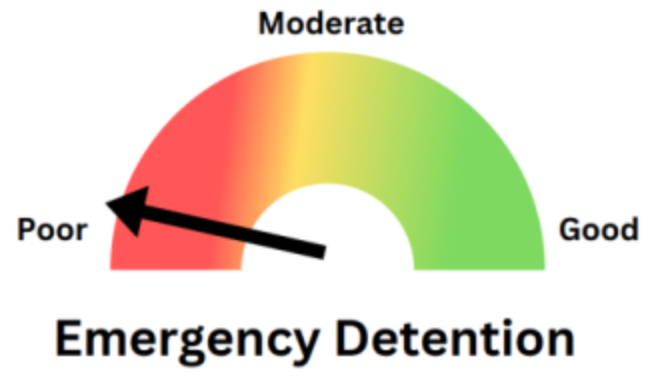
Emergency Detention:
Gallatin County does not have local emergency detention beds. Bozeman Health may provide this service in its inpatient unit once it opens.
Youth Crisis
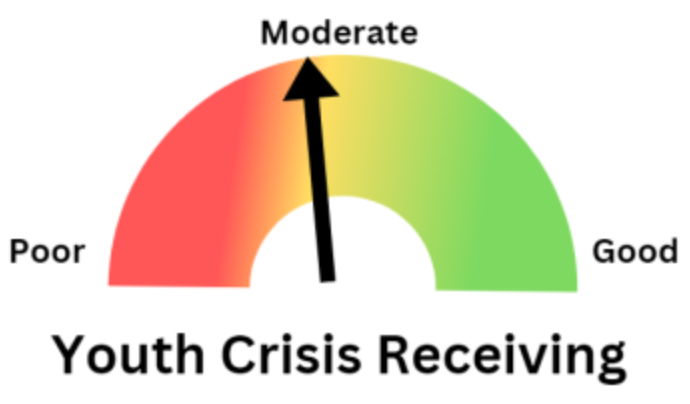
Youth Crisis Receiving:
There is no youth crisis receiving program in Gallatin County. Youth in crisis go to Bozeman Health’s emergency department for care. The Gallatin Youth Behavioral Health Campus will provide youth crisis receiving and stabilization services in its first stage of operations under the Yellowstone Boys and Girls Ranch.
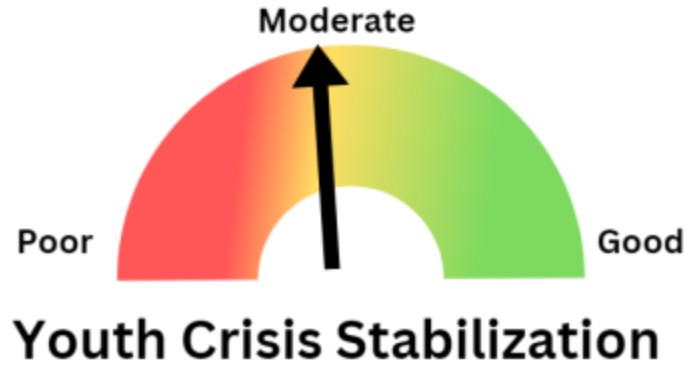
Youth Crisis Stabilization:
There is no youth crisis stabilization program in Gallatin County. This service will be provided at the Gallatin Youth Behavioral Health campus.
Residential
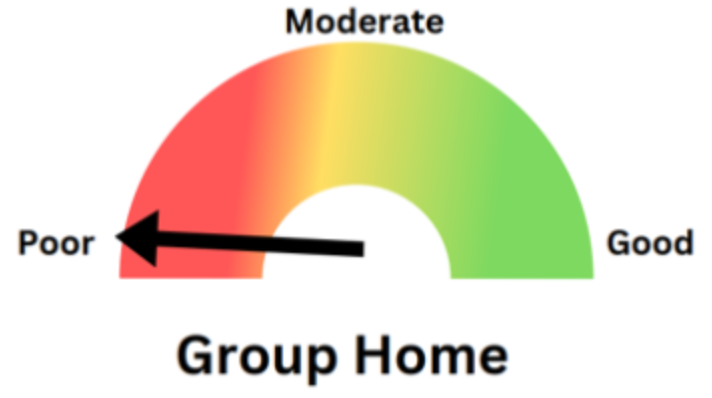
Group Home:
Group homes are communal homes for either those with severe disabilities, mental illnesses, or substance use disorders who are working on becoming sober. There are currently no behavioral health group homes for adults in Gallatin County.
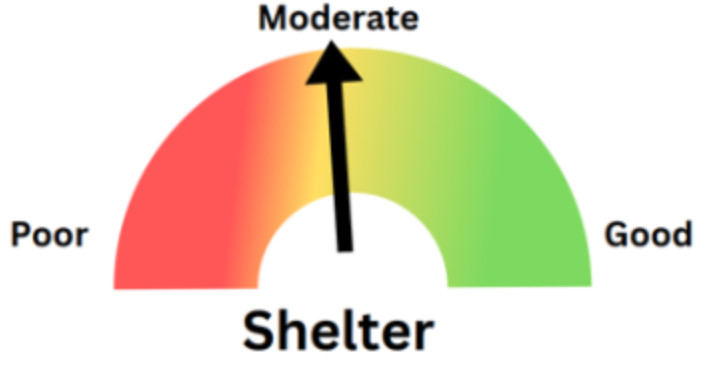
Shelter:
HRDC runs the Warming Center, which is an emergency shelter to provide those facing home insecurity and homelessness a warm and safe place to sleep during the colder months. HRDC is opening a shelter called Homeward Point in 2025.
Youth Residential
Youth Group Home:
There are no group homes or therapeutic group homes for youth in Gallatin County.
Psychiatric Residential Treatment Facility (PRTF):
There are no Psychiatric Residential Treatment Facilities (PRTF) for youth in Gallatin County. This service may be included in a future phase of the Gallatin Youth Behavioral Health Campus.
Youth Shelter:
HRDC operates the Blueprint shelter for youth and young adults in Gallatin County struggling with housing instability. The need for youth shelter services far outpaces the supply.
Inpatient
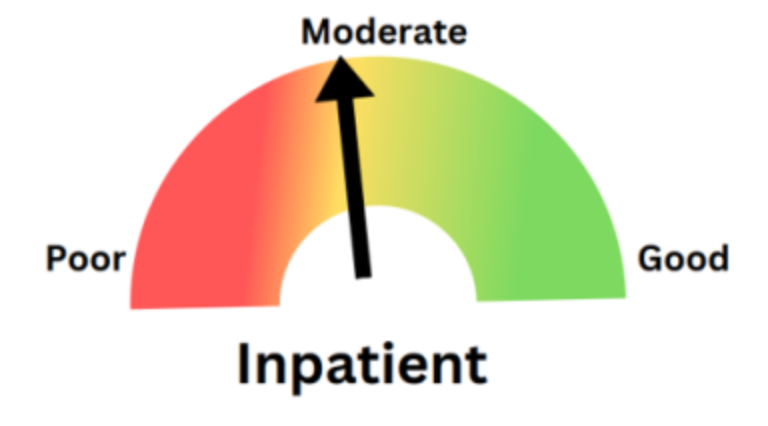
Inpatient:
Bozeman Health is opening a 14-bed adult inpatient psychiatric unit in the summer/fall of 2025.
Youth Inpatient
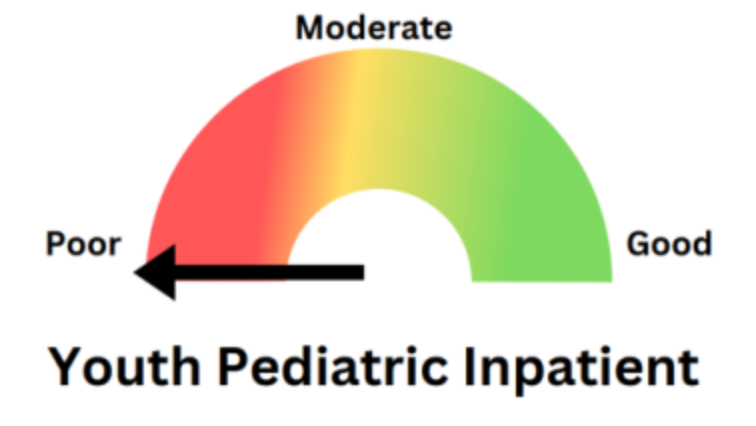
Pediatric Inpatient:
There are no pediatric inpatient psychiatric services in Gallatin County.
Criminal Justice
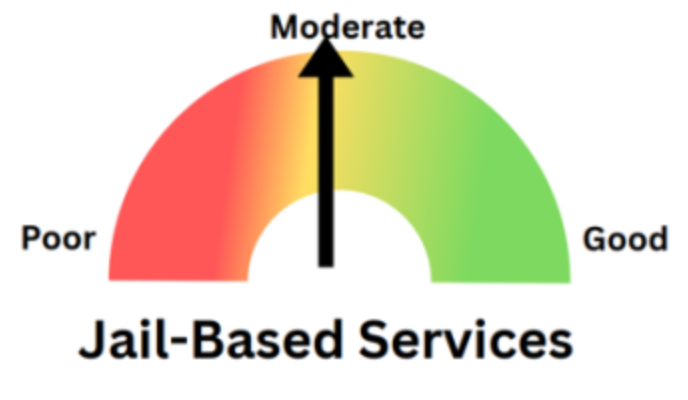
Jail-Based Services:
The Gallatin County Detention Center provides medical care, mental health services, and substance use disorder services for people who are incarcerated. The detention center needs more behavioral health services to meet the needs of its inmates.
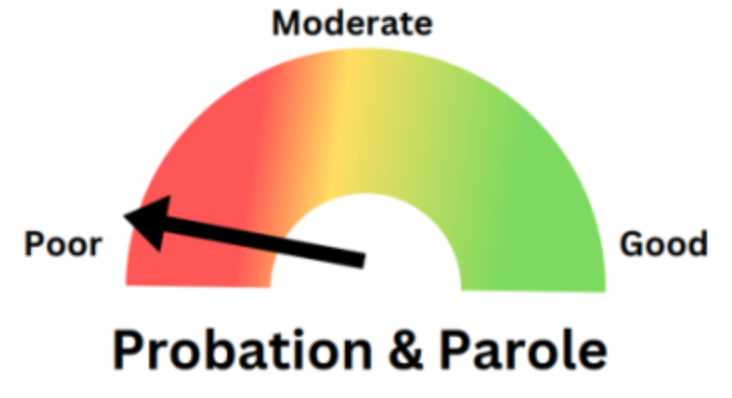
Probation & Parole:
Gallatin County’s Probation and Parole services supervise offenders in the community. This program can improve its collaboration with the behavioral health system.
Treatment Court:
Gallatin County has a Treatment Court that provides a pathway for people with substance use disorders who have been convicted of a crime to get treatment and take part in community service to avoid going to jail.

Mental Health Court:
Mental Health Courts generally serve nonviolent individuals who have been diagnosed with a mental illness by linking them to treatment and social health services to divert them from incarceration. Gallatin County does not currently have Mental Health Court.
Re-Entry Services:
The Gallatin County Detention Center Fresh Start Program helps inmates transition back to the community with the services and supports they need to be successful. The program effectively reduces recidivism and just added an additional re-entry coordinator.